Helianthus Domus
A Context-Driven Proposal for Sustainable Housing and Aging-in-Place in Montreal, Quebec


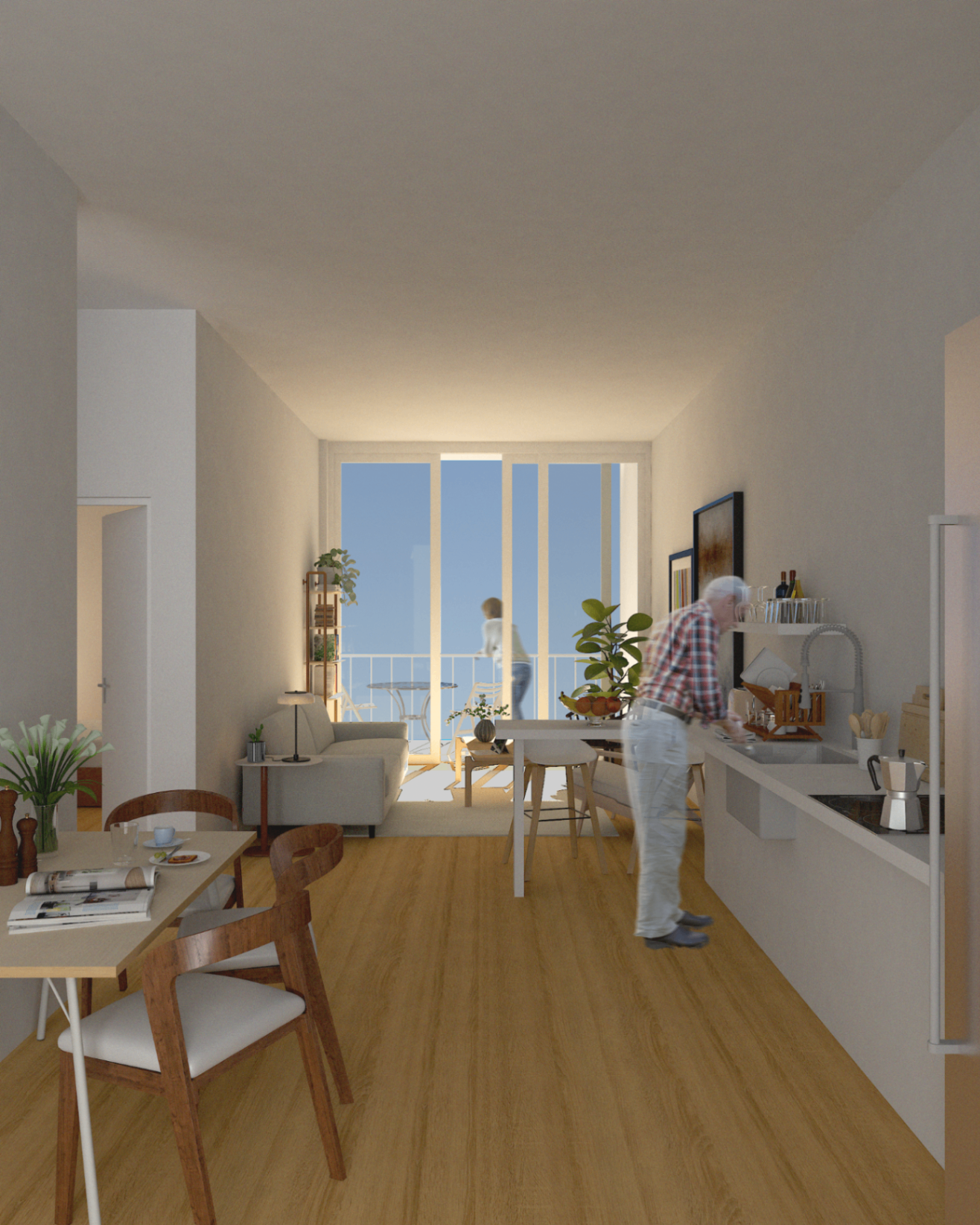
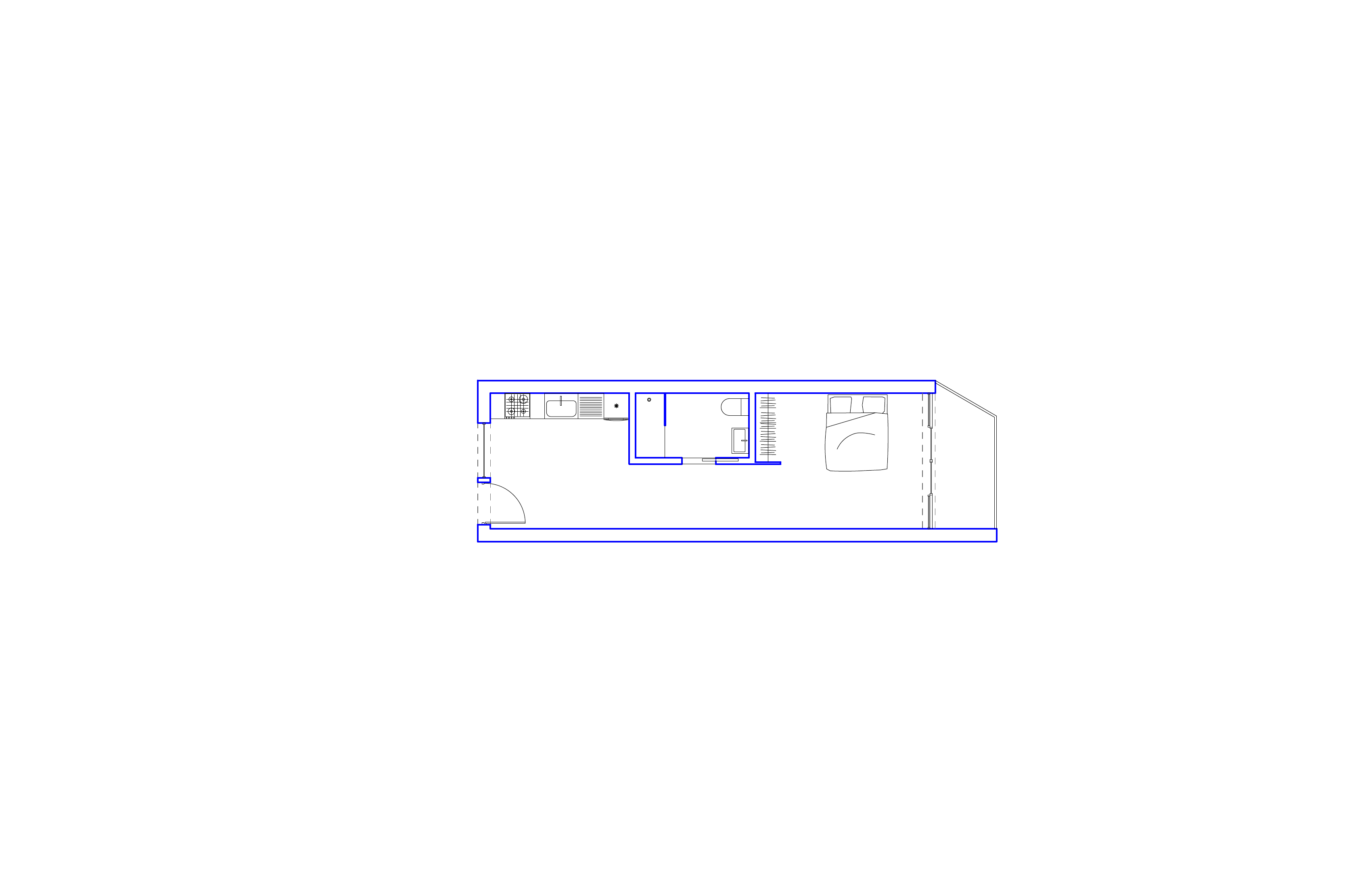
Completed as the final-year studio project of the Bachelor of Science in Architecture degree programme at McGill University, Helianthus Domus is a context-driven proposal for sustainable housing and aging-in-place. The design problem at hand was to develop a contextually-sensitive and environmentally-efficient housing design aimed to accomodate aging-in-place. Simultaneously approaching this problem at the scale of the urban fabric, the individual living unit, and its construction details, the design process began with the establishment of a modular grid system. Special attention was given to making the seasonality of Montreal's climate salient through landscape design. Additionally, this project entailed a detailed study of universal accessibility; the wheelchair-compliant ramp is treated not as a design obstacle but as a design generator.
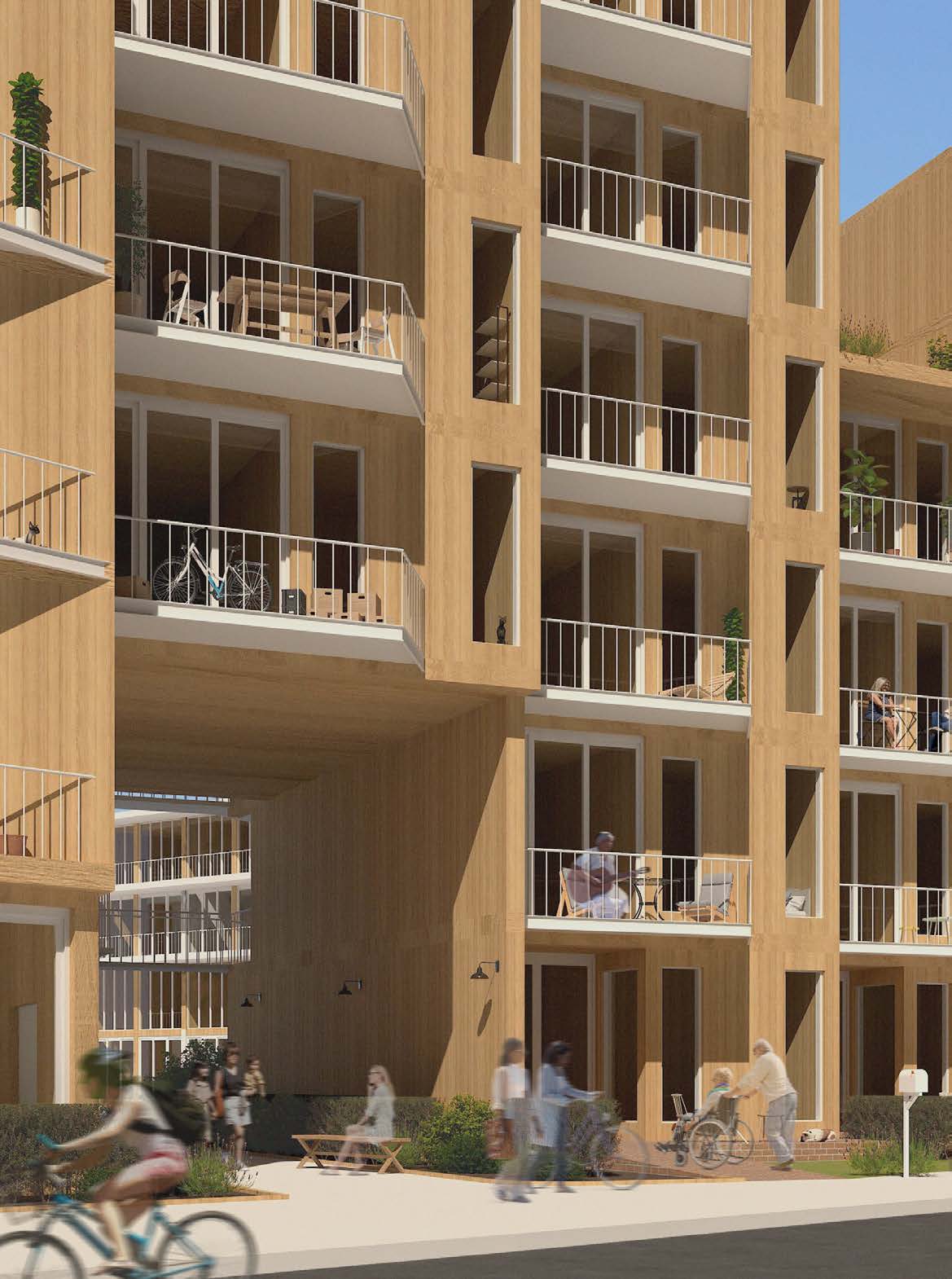
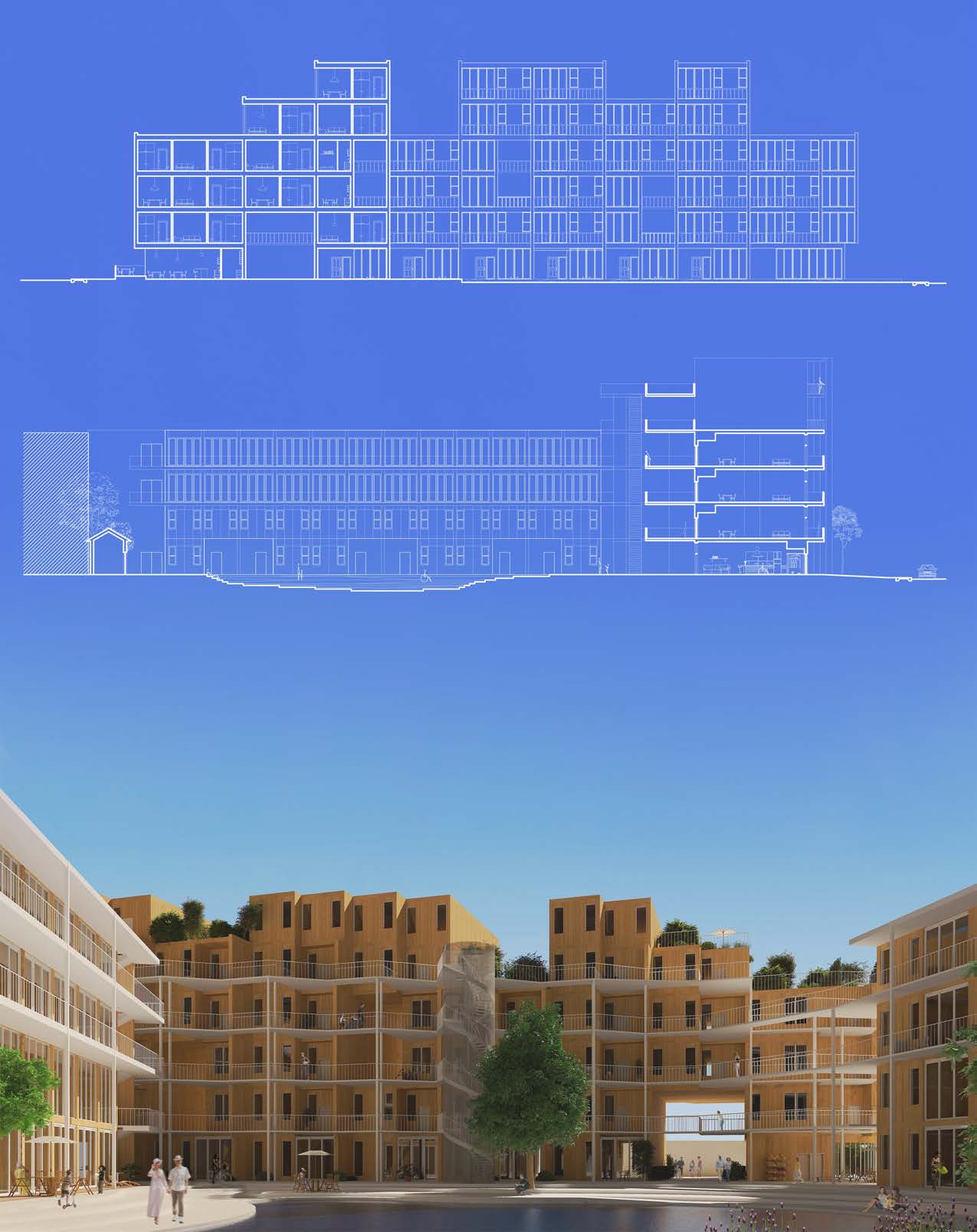
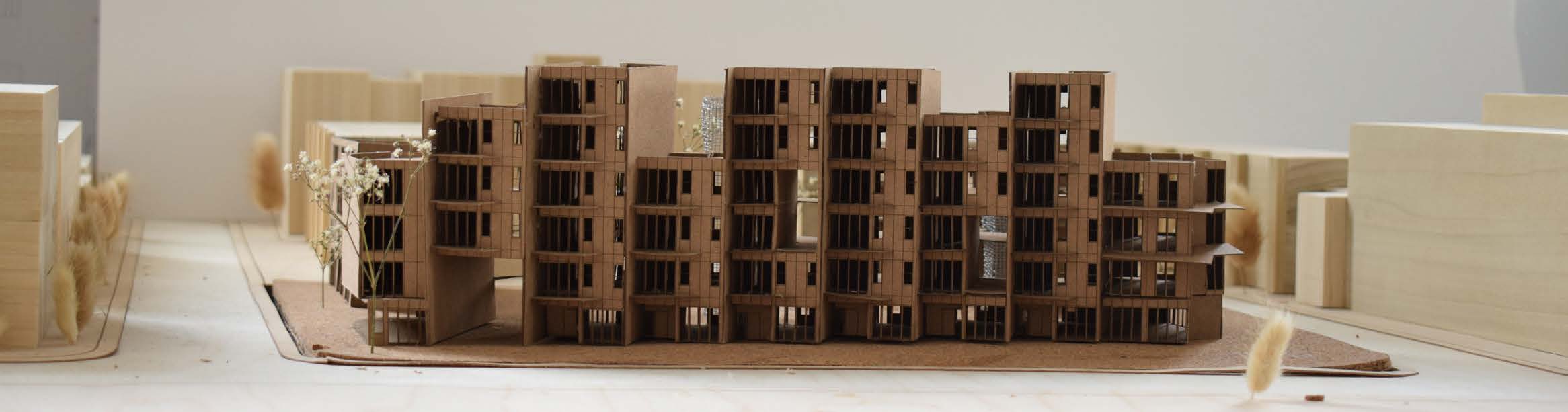
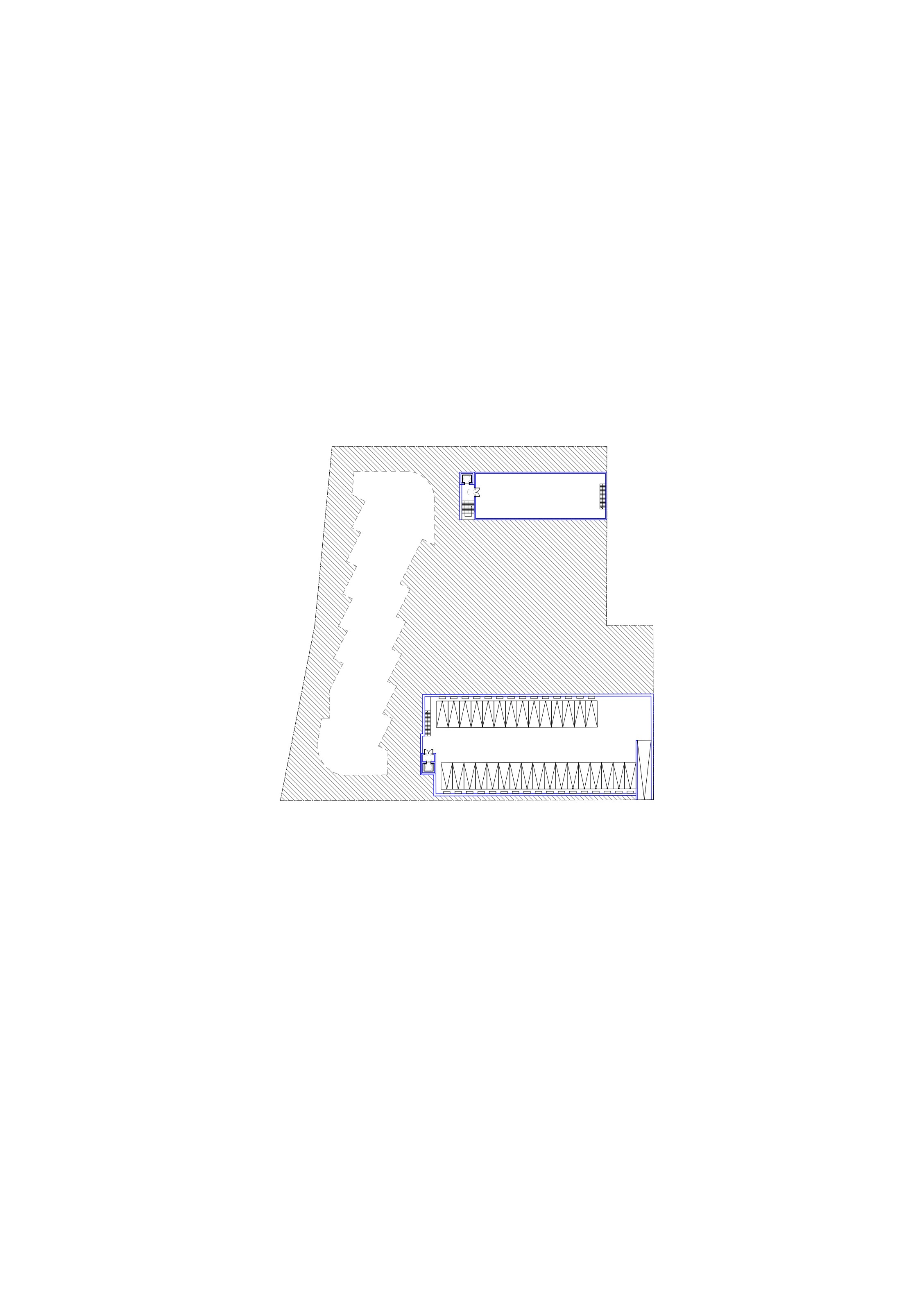
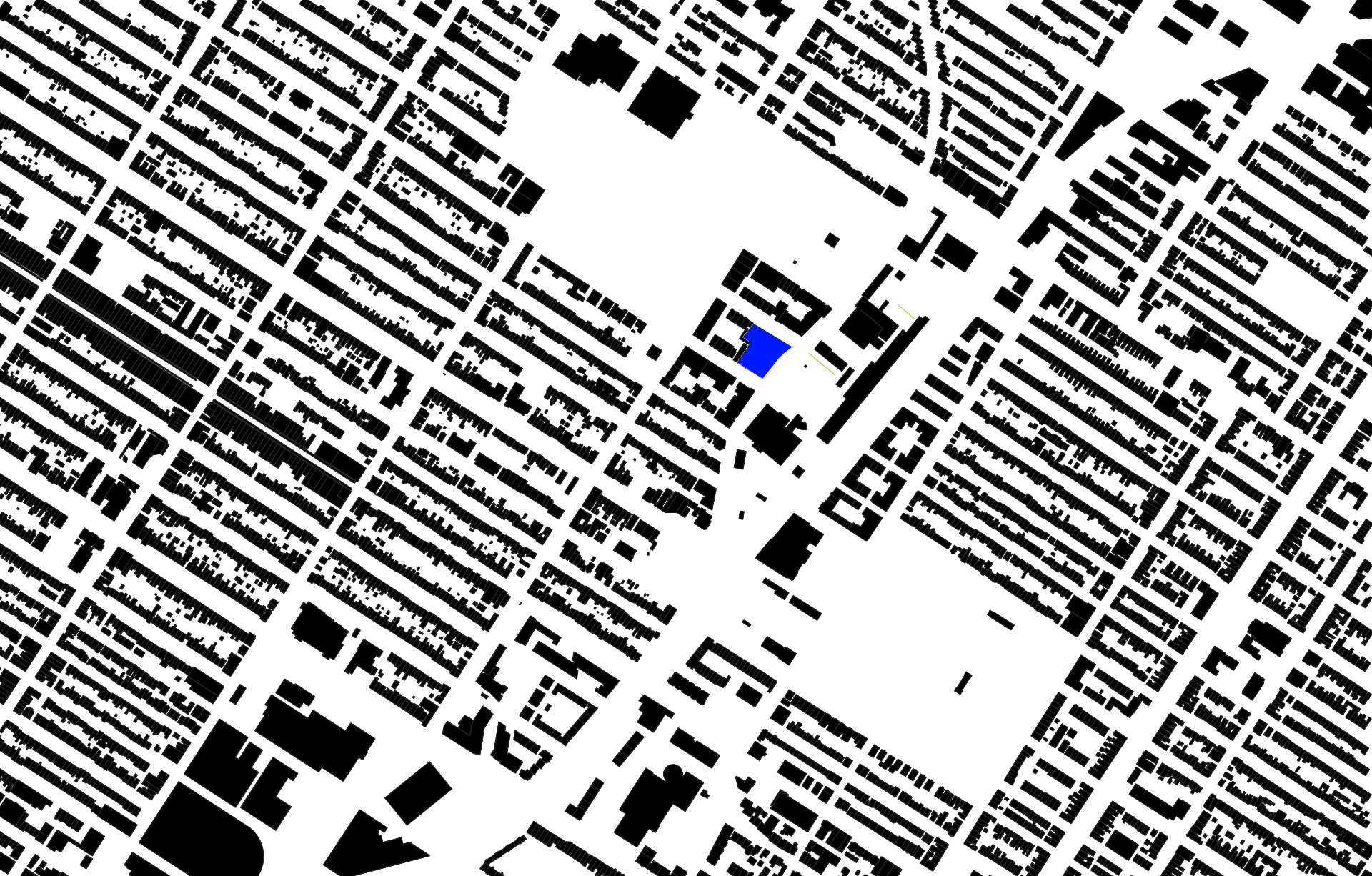
Located in the Rosemont neighbourhood of Montreal, Helianthus Domus is composed of 60 dwelling units of varying size constructed of cross-laminated timber. Central to the scheme are the interior courtyard space recalling the contextual urban fabric, exterior coursives which provide access to dwelling units, and a meticulous rotation and offsetting of units to maximise solar gains. On the ground floor, a cafe and community bike repair shop punctuate the more highly trafficked corners of the site while unobstructed access to all dwelling units allows for universal accessiblity.


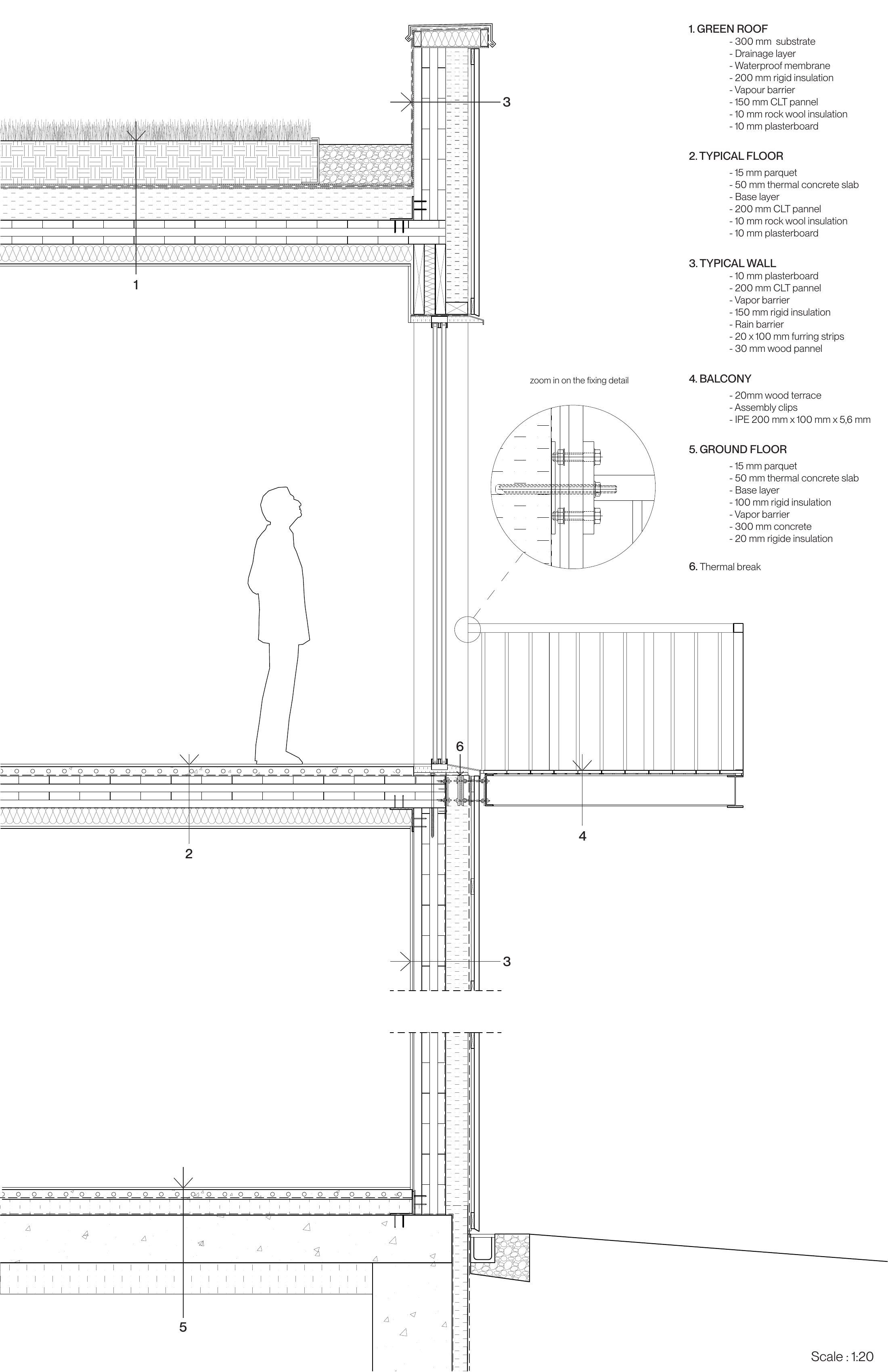
Montreal's winters are demanding, and our decision to use cross-laminated timber (CLT) as the core structural component for Helianthus Domus suggests a new direction for Montreal architecture, historically defined by its load-bearing masonry wall construction. Regionally-sourced CLT offers a lower carbon impact than conventional choices. Generous insulation, airtight layering, and regional sourcing contribute to a new standard in sustainable housing design.


Completed as the final-year studio project of the Bachelor of Science in Architecture degree programme at McGill University, Helianthus Domus is a context-driven proposal for sustainable housing and aging-in-place. The design problem at hand was to develop a contextually-sensitive and environmentally-efficient housing design aimed to accomodate aging-in-place. Simultaneously approaching this problem at the scale of the urban fabric, the individual living unit, and its construction details, the design process began with the establishment of a modular grid system. Special attention was given to making the seasonality of Montreal's climate salient through landscape design. Additionally, this project entailed a detailed study of universal accessibility; the wheelchair-compliant ramp is treated not as a design obstacle but as a design generator.