Homepage
ARCHITECTURE
2022
Civic / Institutional

Plaza Library

A Dispersive Approach to Heritage Conservation & Adaptive Reuse

ContextMcGill University · B.Sc. Architecture
RoleConcept of fragmenting the ornamental composition, rendering & visualisation, solar-gain design
AdvisorProf. Cailen Pybus
Collab.In collaboration with Erin Chan & Nicolea Apostolidis
ToolsRhino · V-Ray · AutoCAD · InDesign
Plaza Library
Adaptive reuse · heritage conservation · urban design · environmental design
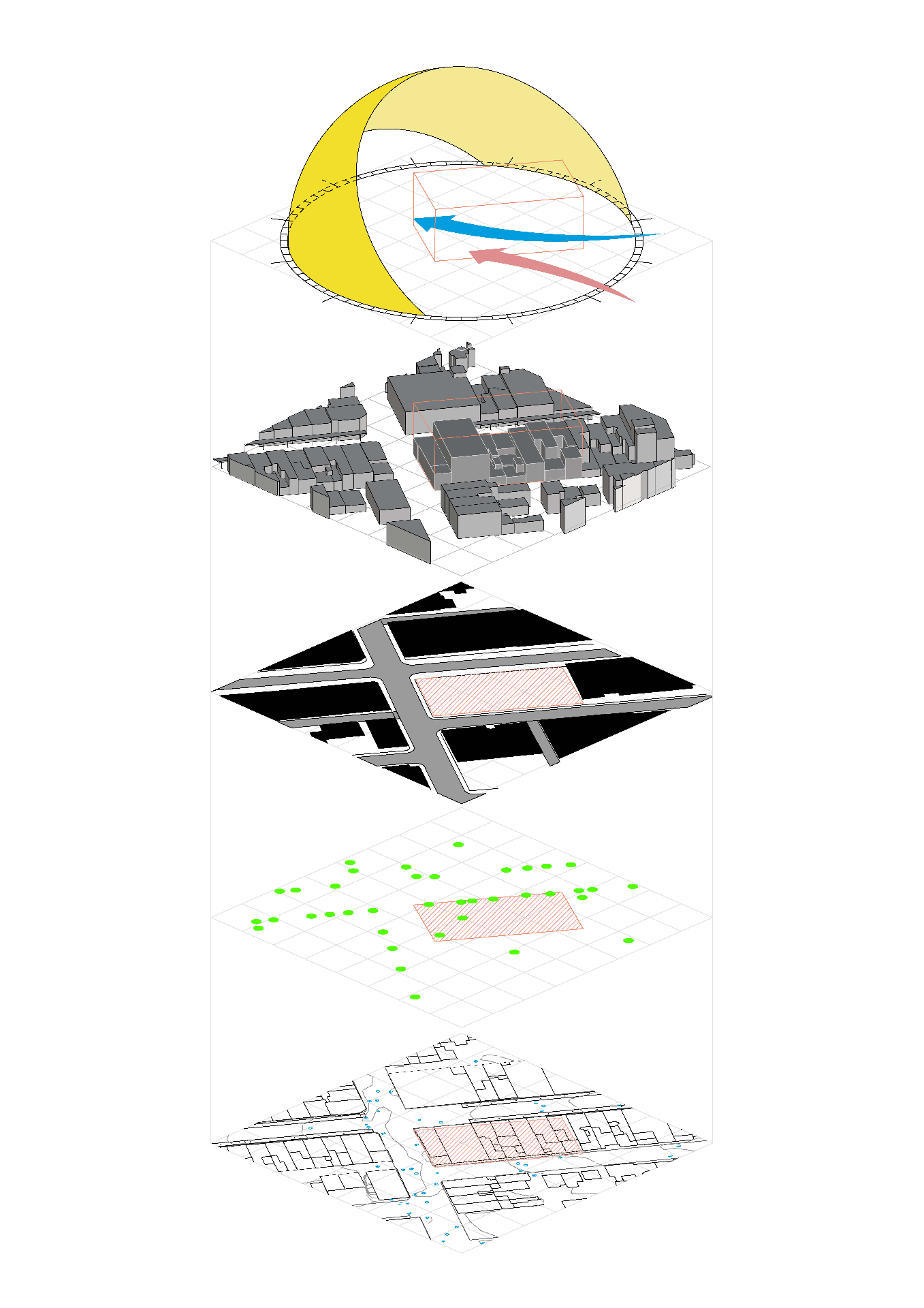
Site analysis
Site analysis
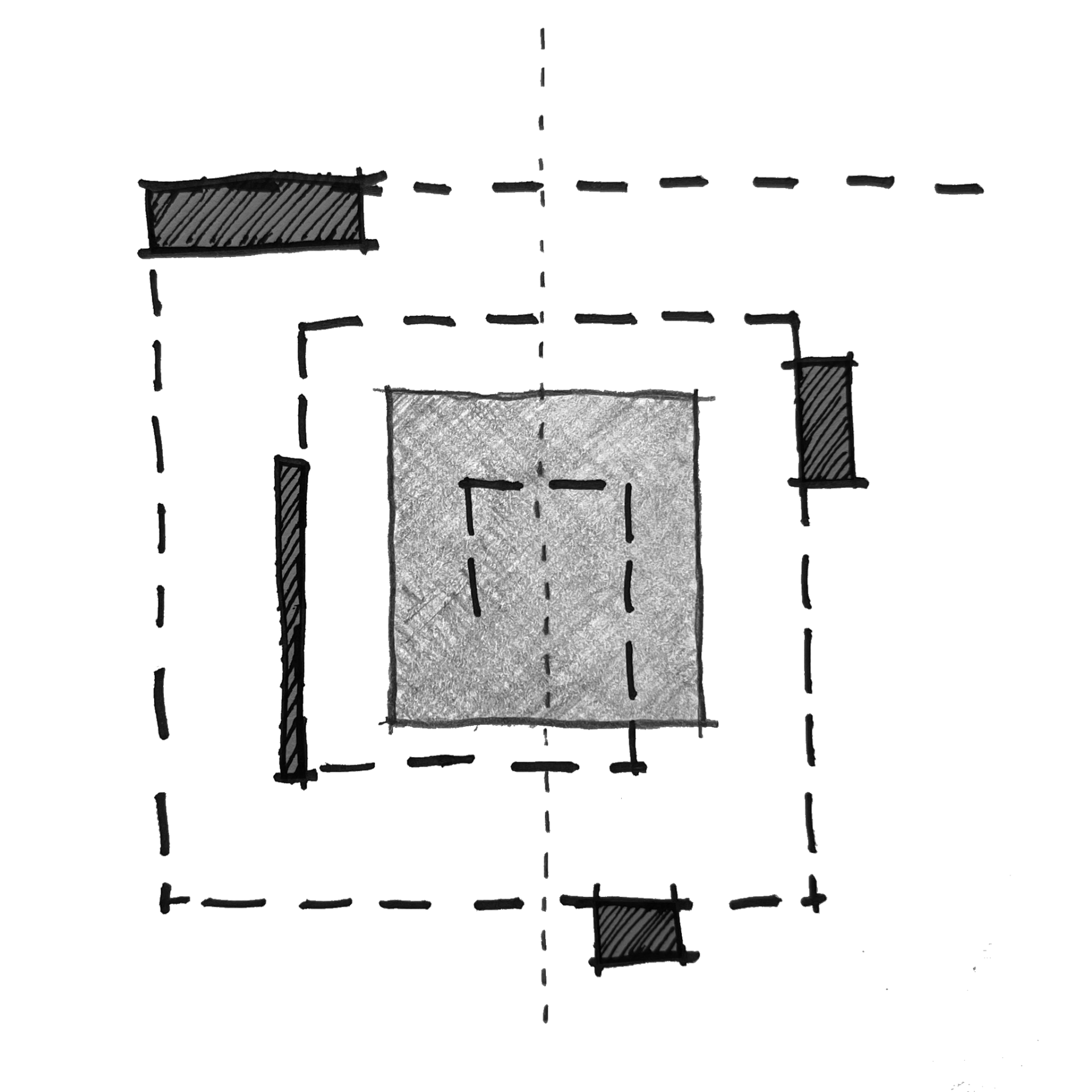
Diagram showing a square building footprint with dashed lines indicating circulation paths and surrounding site context
Techtonic Approach

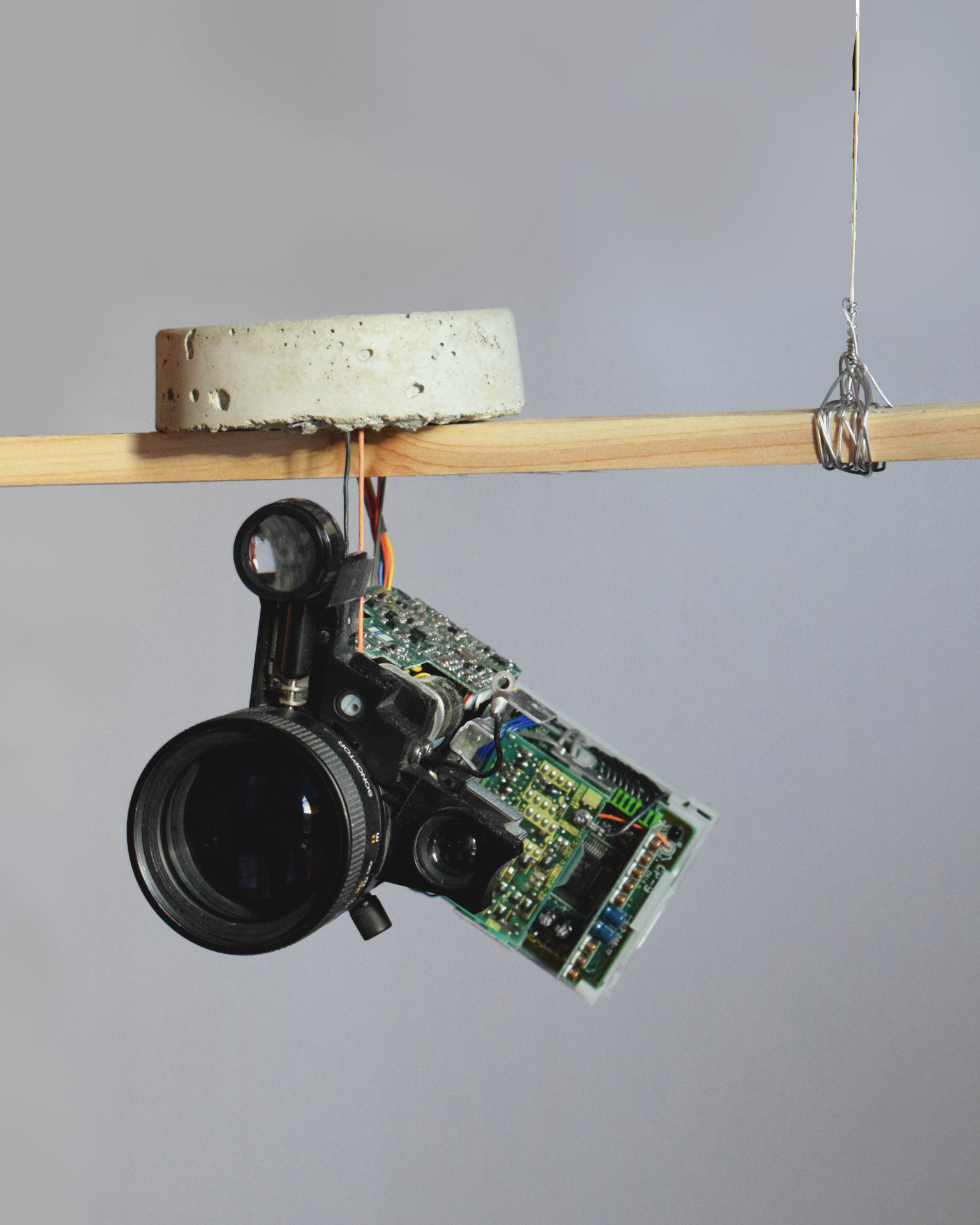
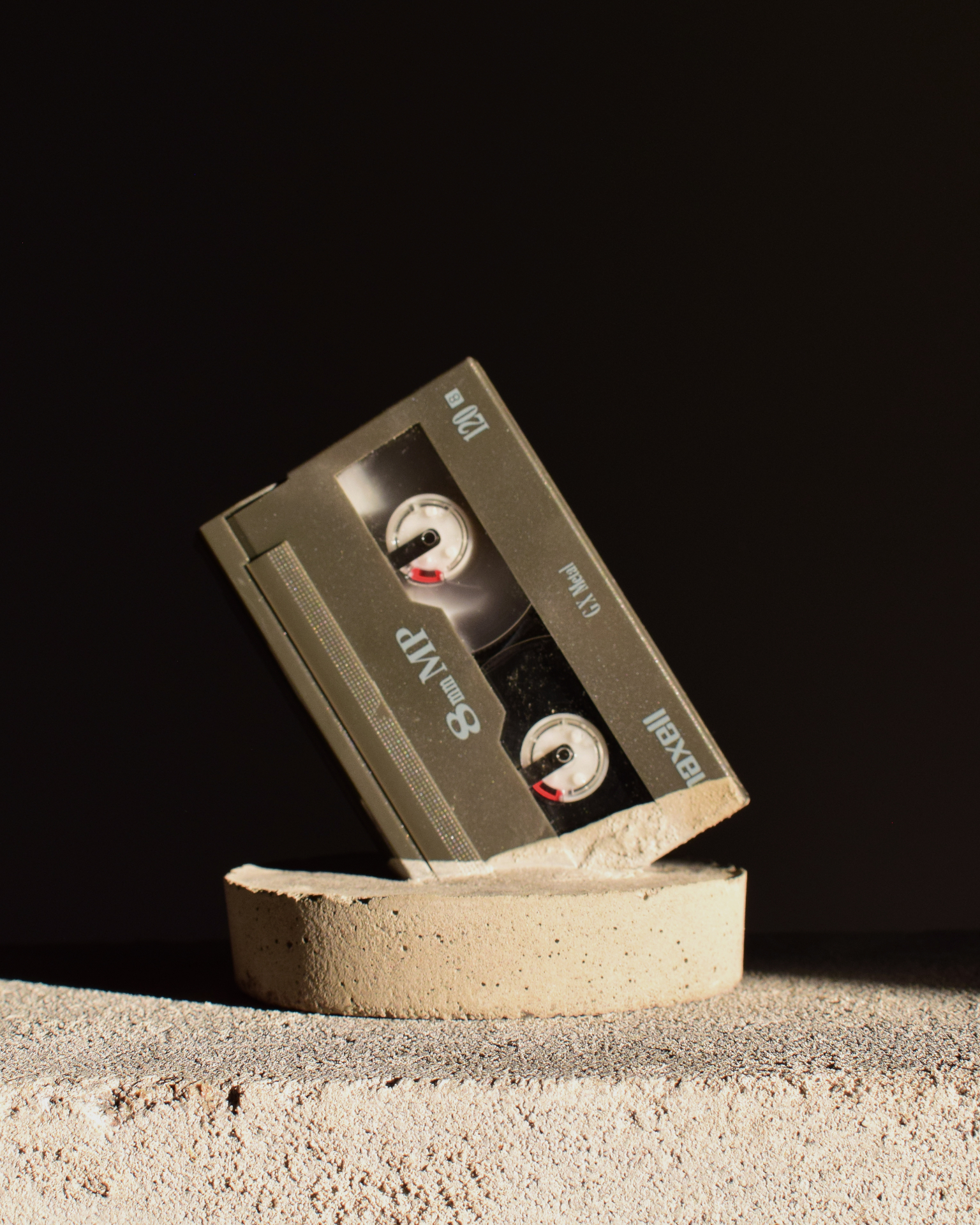
The approach to heritage conservation in our intervention was first elucidated in a series of techtonic models exploring the notion of dismantling and encasing. The original artefact is dismantled; its pieces of varying size are catalogued, encased, and immobilised; these fragments are scattered around the intervention, their uses inverted. A window frame becomes a doorway; a billboard becomes a floor; a cornice becomes a bookshelf. Apart from these fragments, the structure is treated similarly, but at the scale of the site rather than ornament. The original structure is embedded and protected within the intervention, inspiring its form, program, circulation, and siting. This argument in favour of a localised but disruptive approach to heritage conservation is grounded by two premises.

Techtonic Model 001
Techtonic Model 001
Techtonic Model 003
Techtonic Model 003
Premise 1: Facade Play

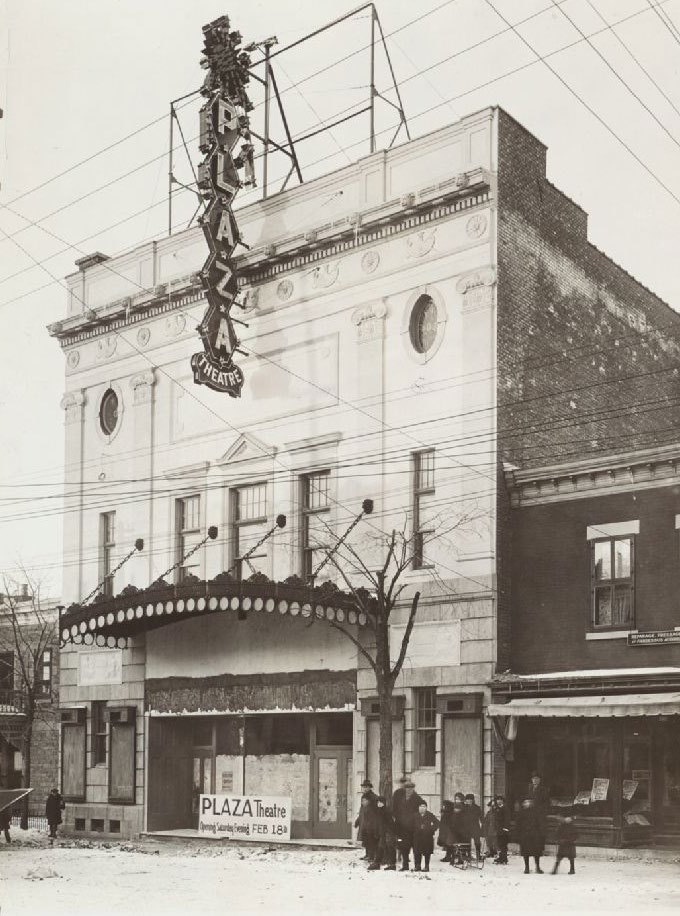
Stylistically, Montreal's Plaza Theatre on Rue St. Hubert reflects an architectural tradition deeply embedded in the populist canon: neoclassicism. Its historical but discarded program as a movie theatre adds complexity to its approach to ornamentation. Drawing from traits and proportions from antiquity – although frequently no more than superficially – neoclassical facade designs are endowed with a borrowed sensation of wonder. The awe typically induced in the viewer of this architecture endows that architecture with power. Albert Speer used this fact, in tandem with a megalomaniac tendency, to instil fear. Colonial powers use and used this to exert power in foreign lands. Today, neofascist populists commission neoclassical works almost like a dogwhistle. Throughout these stories, which build upon each other, this architectural tradition develops identity and grows in its capacity to embody and exert power through its showmanship. In the context of the Plaza Theatre, this ornamental choreography inspires a sense of colonial nostalgia tinged by the fading memories of neon-lined rue St. Hubert. The facade is shallow, and its ornamentation plastered. While emotionally affective, the theatre's adherence to an established stylistic idiom no longer acts in service to an organisation of power; its function is to suspend disbelief, enhance entertainment, and world-build. In a sense, then, the facade of the theatre is a movie screen itself.

Premise 2: Haunting

Architecture is embedded in the social context which conceives it; it embodies a zeitgeist, expressed through program, formal traits, deployment of technology, and intentions. Adaptive reuse can be a celebration of the impermanence of our buildings, and in extension, of our passions, of our life work, of our lives themselves. The reappropriation of decrepit building programs, as a process of re-installing life, can therefore be considered in personal terms: perhaps, for example, the visits to our grandparents as they sit in their retirement homes or the weekly phone calls we share with our empty-nester parents. Architecture extends this interpersonal web beyond temporal boundaries; we pay homage to our ancestors by inhabiting their architecture, and when their joints creak, their bones weaken, and their shingles fall out, we attend to them. We adapt their program, fix their leaks, clean their windows. This haunting is not necessarily benevolent or unkind; its nature is not prescribed by its identity as a haunting. Rather, a haunting is deeply individualised. As a human mind records memories, buildings record stories. These temporal products are not objective, nor are they permanent; just as we forget the names of the kids in our fourth grade math class, the memories imprinted onto buildings fade. These remnants – material and otherwise – carve consciousness.

Plaza Theatre ca. 1922. Image: La Presse Montreal.
Physical Model
01 / 03
Physical Model
Physical Model
Physical Model
Physical Model
Environmental Design
01 / 02
Environmental Design
Simulations by Erin Chan.
A Dispersive Approach

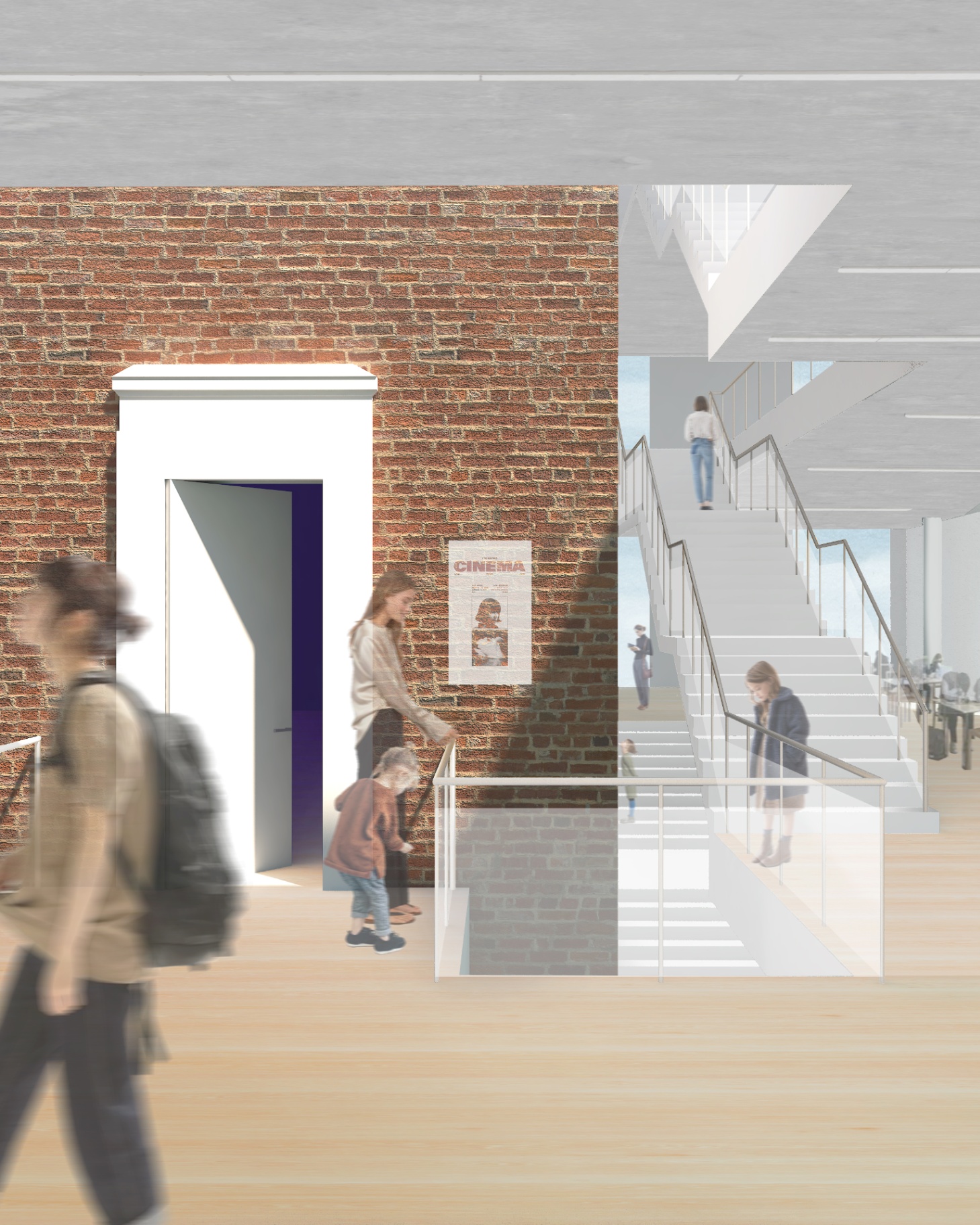
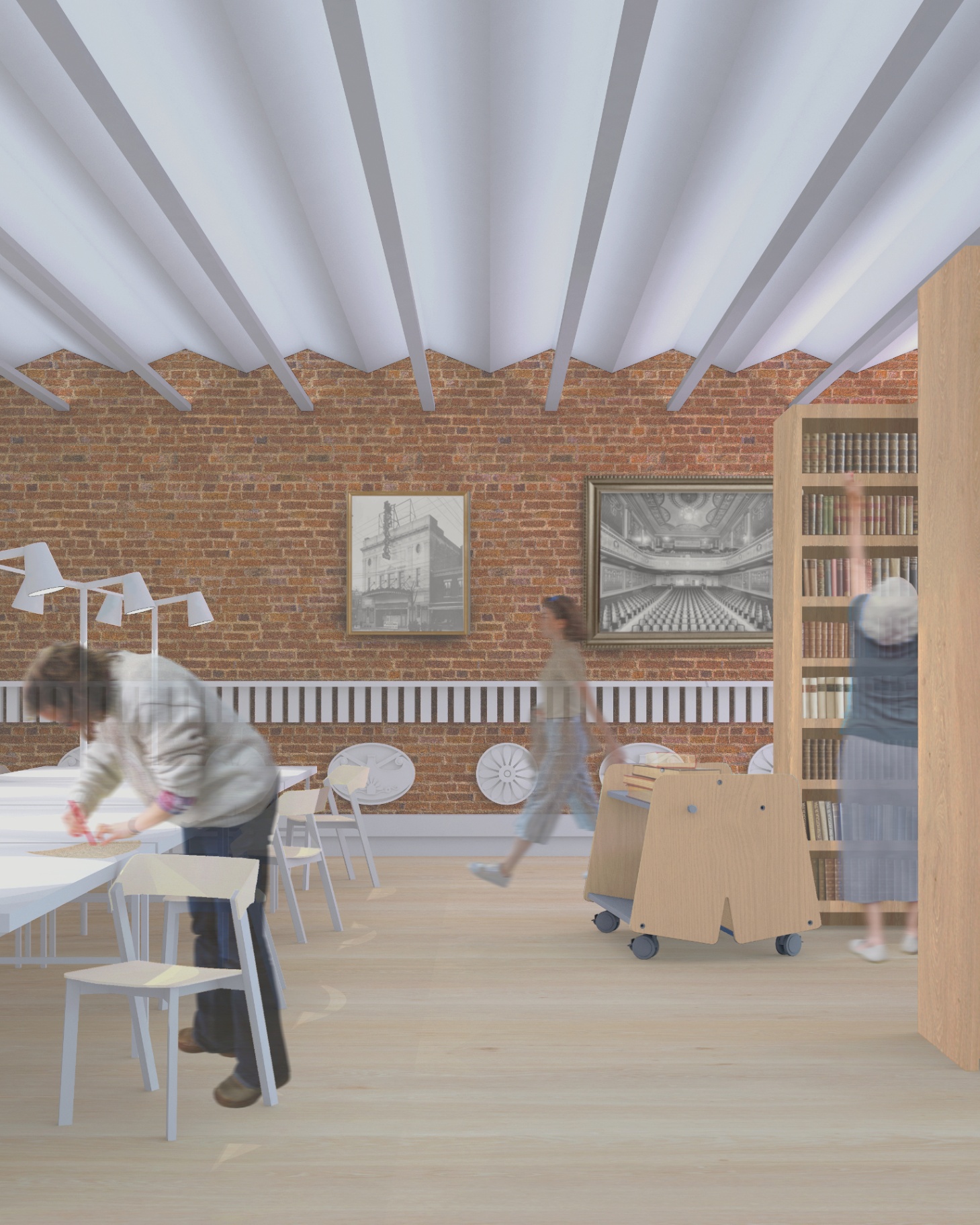
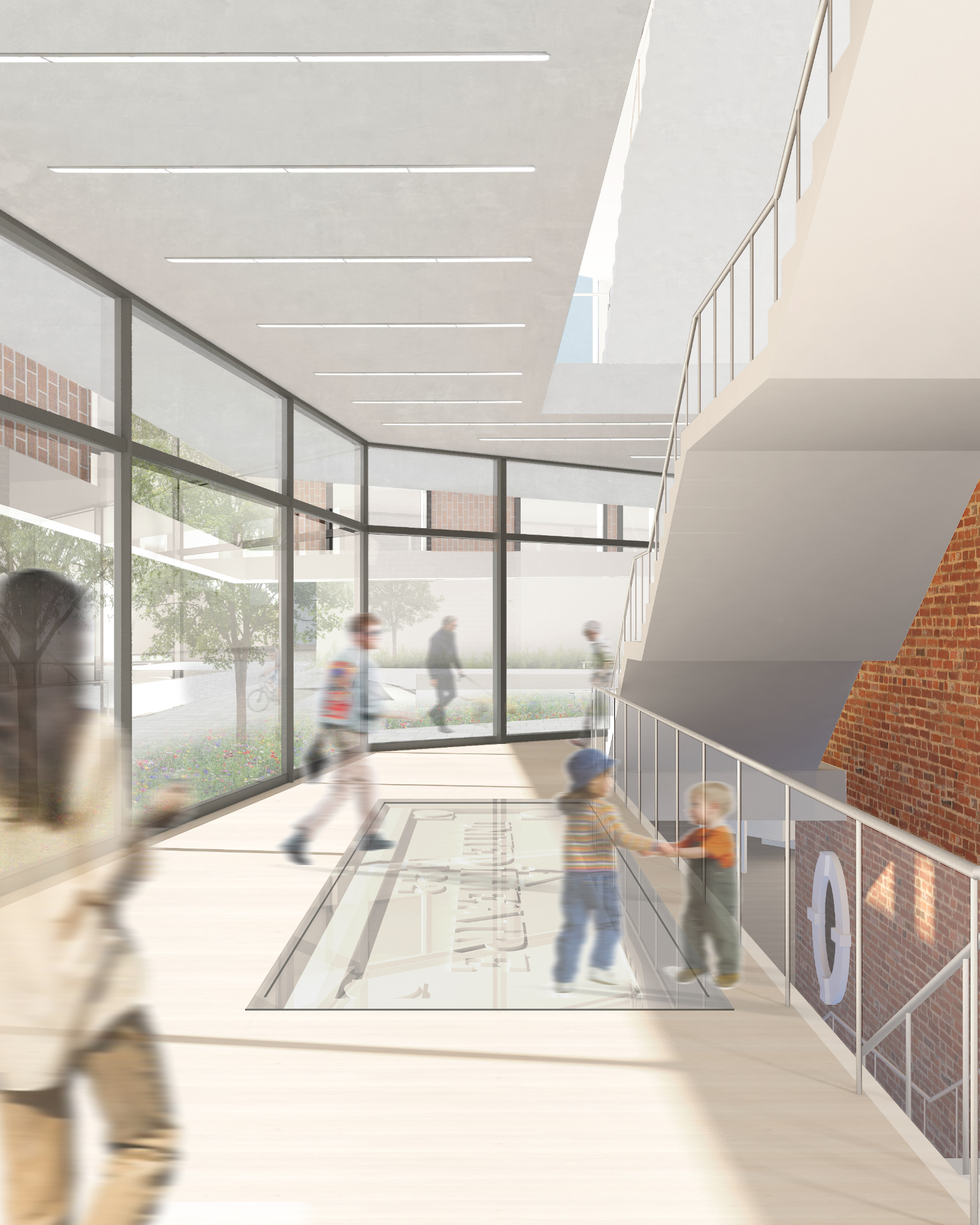
First constructed in 1922, the ornamented facade of Montreal's Plaza Theatre hints at the decades of film, dance, and performance that have decorated its stage. For a century, the building has sited the intangible, rendering Montreal's pulsing theatre culture in brick, mortar, and plaster. Our design first catalogues the ornamentation of the existing facade, identifies what remains from the building's first iteration, and then fragments these pieces throughout the proposed intervention, prescribing new uses. In the mezzanine foyer, a plaster form which originally bordered a window becomes a portal into the auditorium. In the ground floor foyer, the building's original placque becomes encased in the floor. In the basement film archive, the original cornice becomes a wainscoting.

Interior Render: Ground Floor Foyer
Interior Render: Mezzanine Foyer
Interior Render: Film Archive
Note

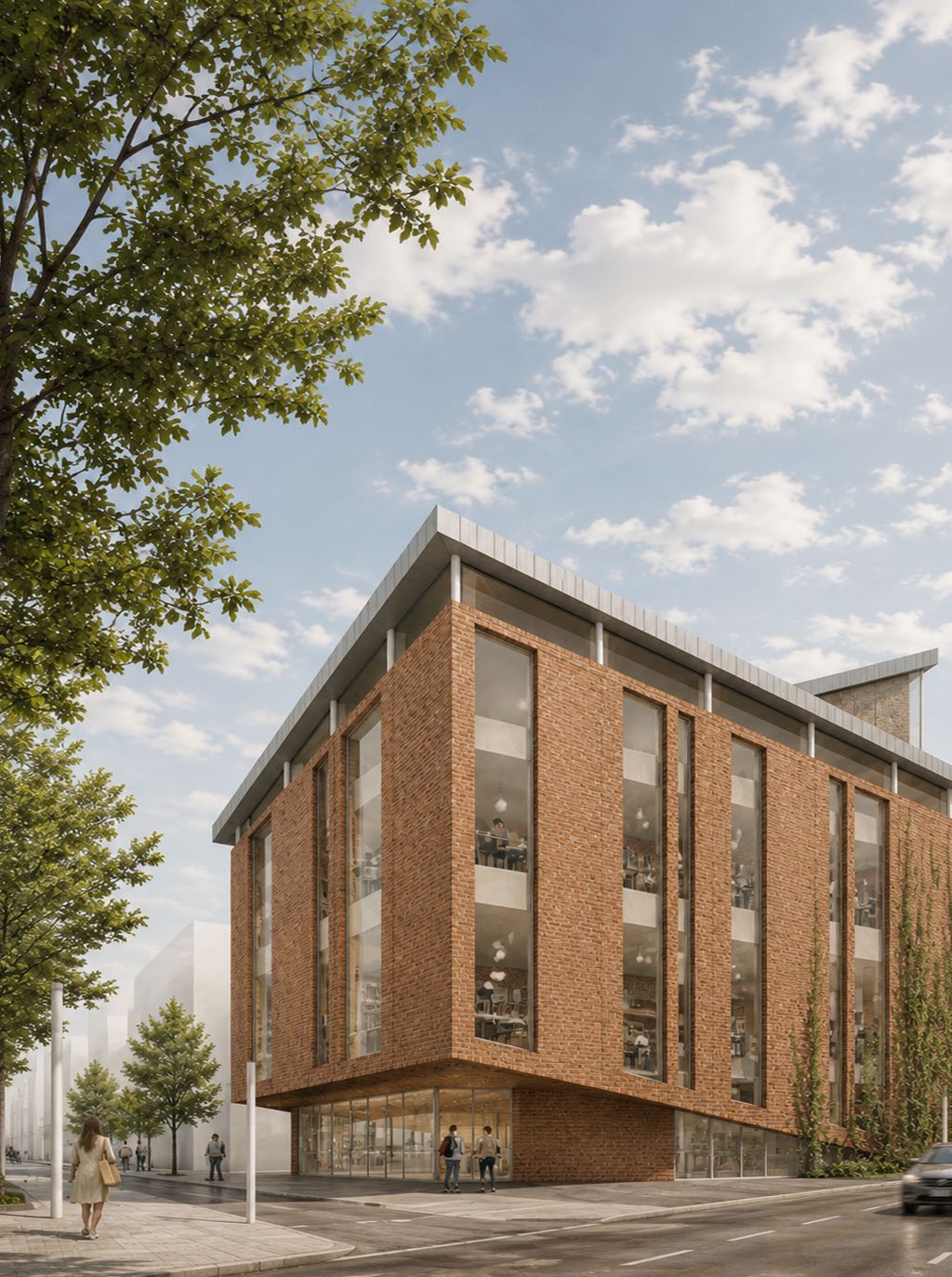
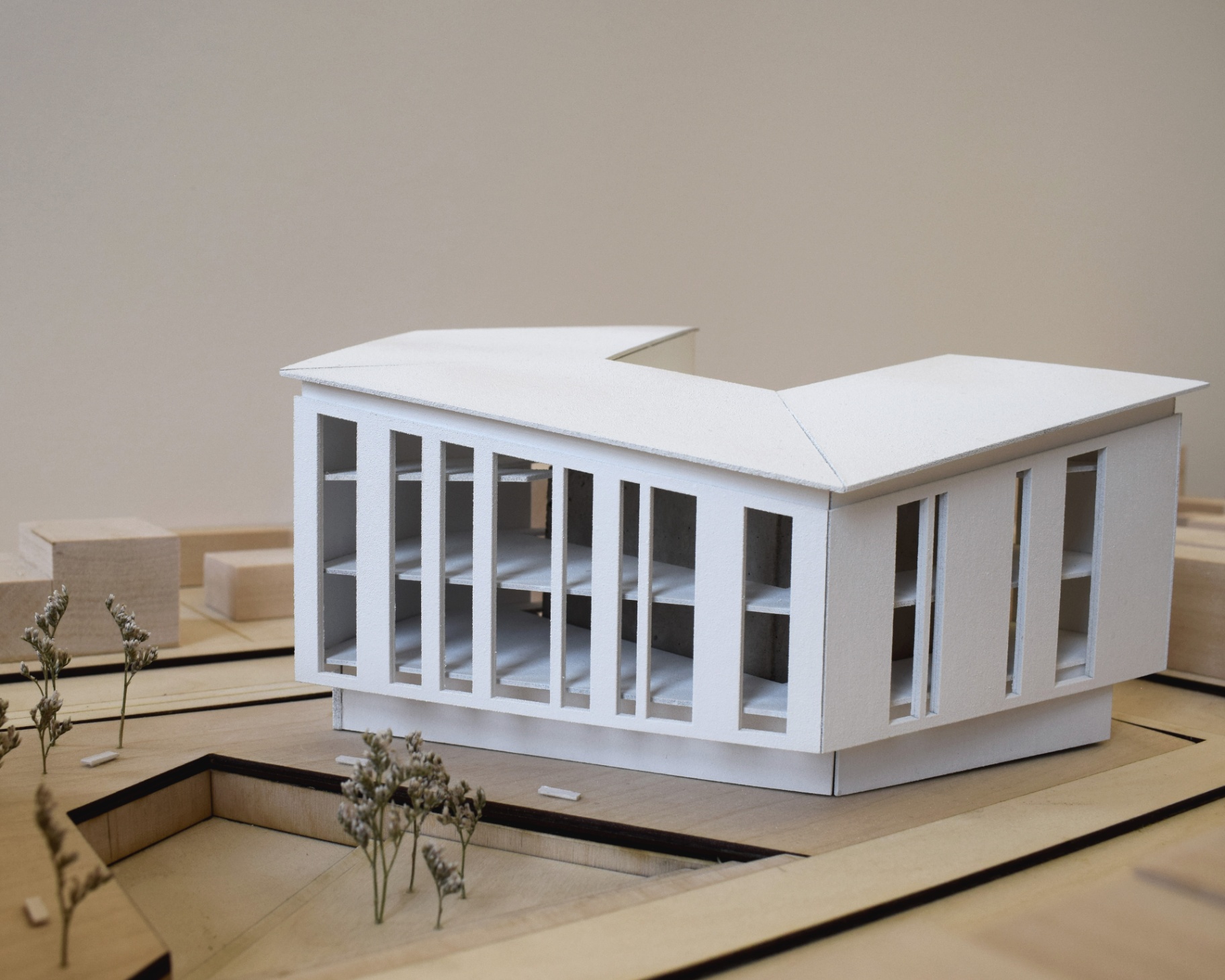
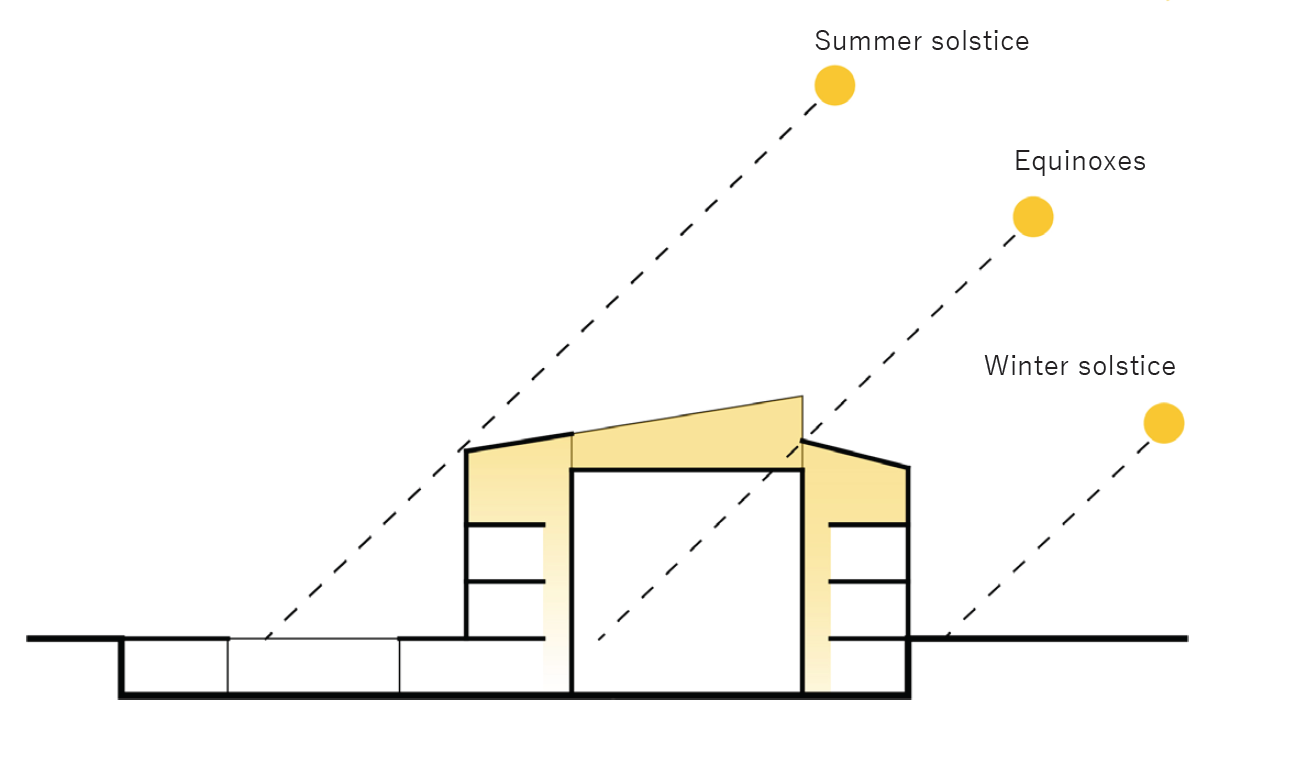
Completed in the first semester studio of the final year of the Bachelor of Science in Architecture degree programme at McGill University, the Plaza Library is a proposal for an adaptive reuse of Montreal's Plaza Theatre on rue St-Hubert and rue Beaubien, first constructed in 1922. The intervention prioritises two objectives: addressing the site's history in a compelling manner while designing for environmental efficiency and year-round thermal comfort. This is achieved by critically examining the legacy of the existing structure through the formalist lens of ornamentation, deconstructing and cataloguing the decorative fragments, and dispersing the pieces throughout the intervention in provocative ways. The new structure maximises passive heating through solar gains, reconfiguring the original masonry structure as a thermal mass, and carefully designing sunny exterior spaces shielded from winter winds to provide for habitable outdoor spaces in Montreal's chilly shoulder seasons. My main contributions to this project were in formulating the concept of fragmenting the ornamental composition of the prexisting building, rendering and visualisation, and designing for solar gains. Nicolea and Erin brought an expertise in landscape design as well as leading the massing explorations, programming, circulation, and spatial composition. The massing of the Plaza Library follows the concept of wrapping the historical core of the original Plaza Theatre within the proposed intervention. The final result is the product of weeks of explorations mainly developed through hand sketching, tracing intended paths of circulation, prevailing wind directions, sun paths, and geometric connections to the neighbouring buildings. The final result, clarified in a simple massing/techtonic model, achieves many of the goals required of it; two public spaces sheltered from wind but exposed to sun, an ample ground-level plaza space, strengthened circulation paths through and around the site, and maximised use of sun exposure.