S/Y Amalia
A Model for Sustainable Sailing Vessel Design

A Model for Sustainable Sailing Vessel Design

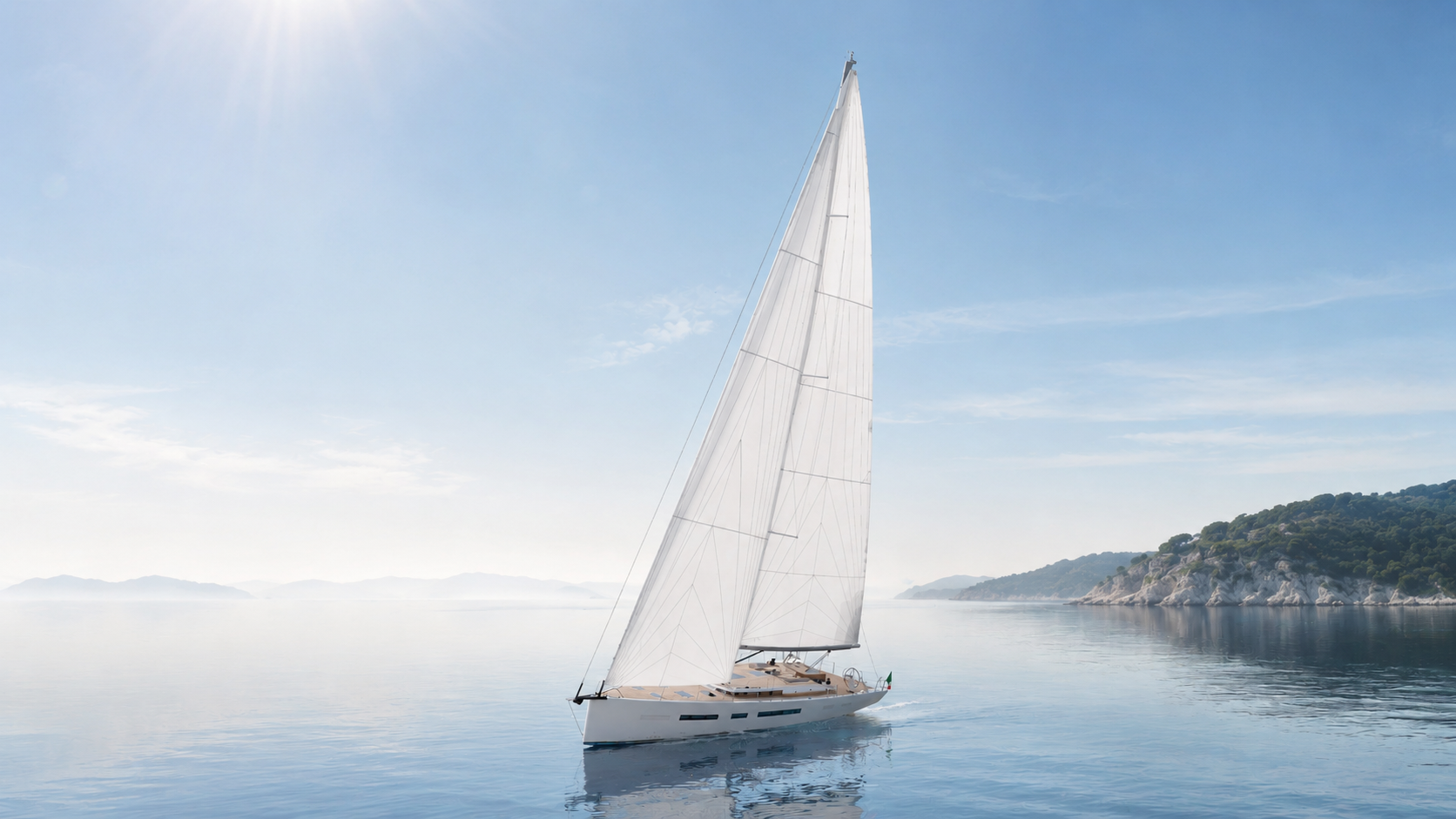
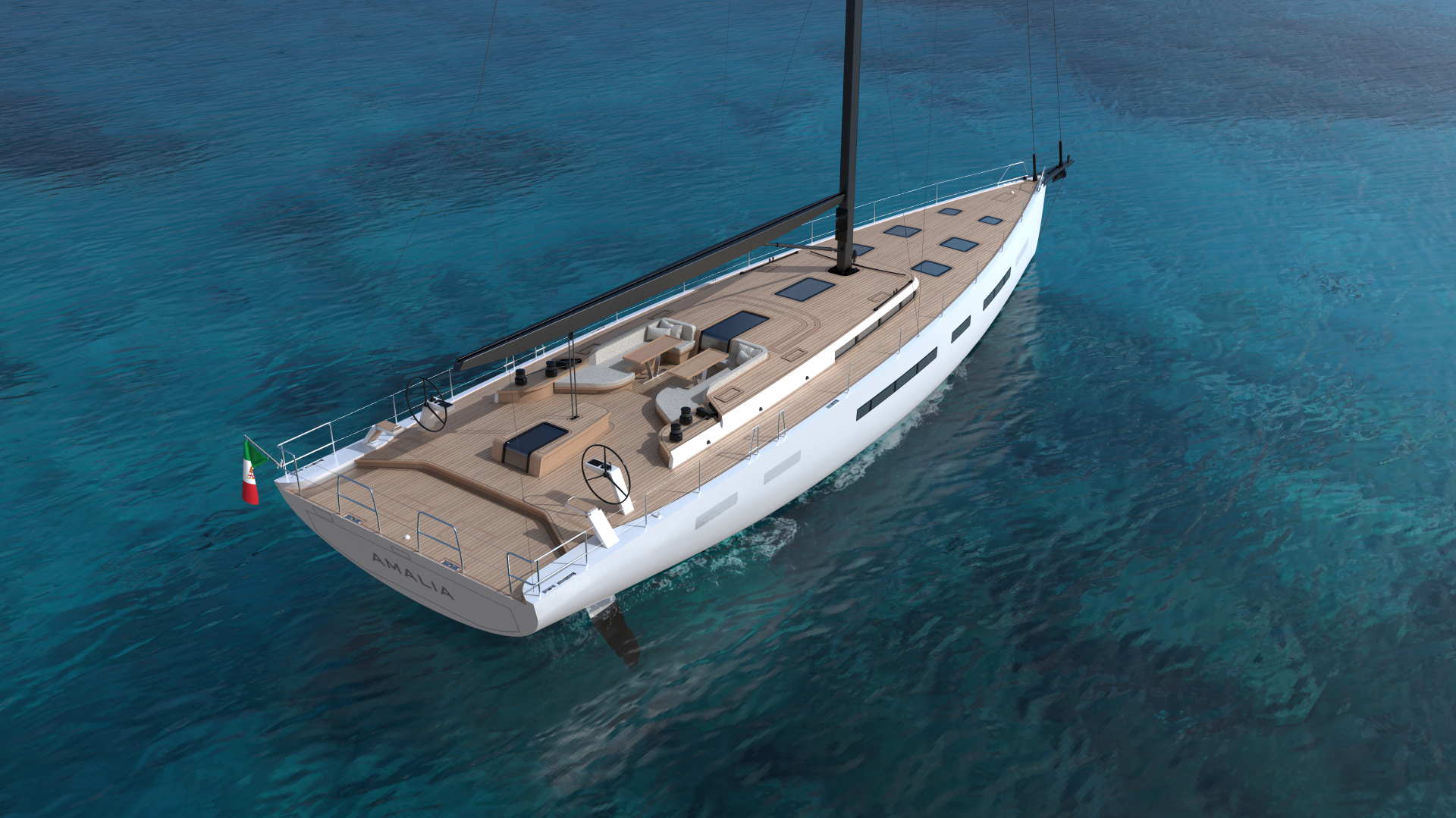
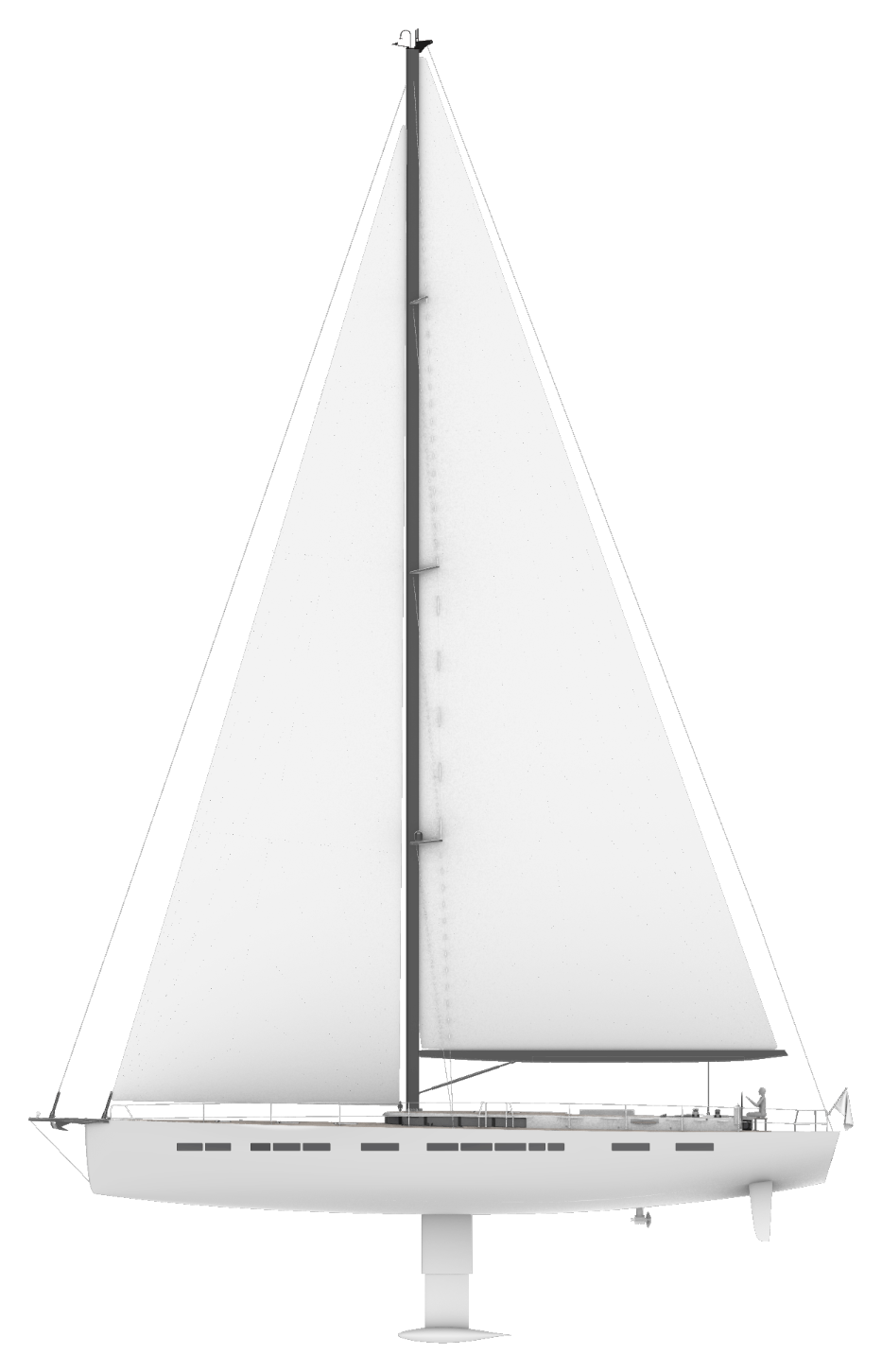
Completed as the thesis project for the Specialized Master in Yacht Design at the Politecnico di Milano, Amalia is a 24-metre blue-water sailing yacht designed as a model for how the yacht design industry can move forward in reducing emissions while retaining a historically-informed aesthetic approach. This sailing yacht design was developed over the course of 12 months and entailed all aspects of the project necessary for its eventual production. My contributions were mainly in the interior layout and design, rendering and visualisation, market research, and coordinating interiors with structures and exteriors. Ana Djordjevic was primarily responsible for exterior design, deck design, and equipment, while Luca Lattanzi led the engineering, structure, hydrodynamic simulations, sail plan design, weight list, and stability tests. This project was fully and completely developed, including welding details, scantlings, a comprehensive 3D model including structure, interiors, systems, exteriors, and equipment, but I have chosen to only show here work with which I was directly involved. From the initial concept, the design objective was to create a vessel capable of undertaking long, comfortable voyages while incorporating a high degree of onboard automation. At the same time, Amalia has been engineered to deliver respectable performance levels, making it suitable for competitive sailing.


The development of Amalia 80 began with a thorough market research and benchmarking process. By compiling and examining the data of 38 vessels in the 22-26 metre category, we were able to have a clear view of how our design matched up with what currently exists on the market. Importantly, we were able to see what is missing on today's market for this class: expansive communal spaces and flexible interiors, aluminum lower emboddied emissions, new propulsion systems independent of fossil fuels, and an aesthetic approach that uses organic materials to evoke the nostalgia of 19th century schooner design.

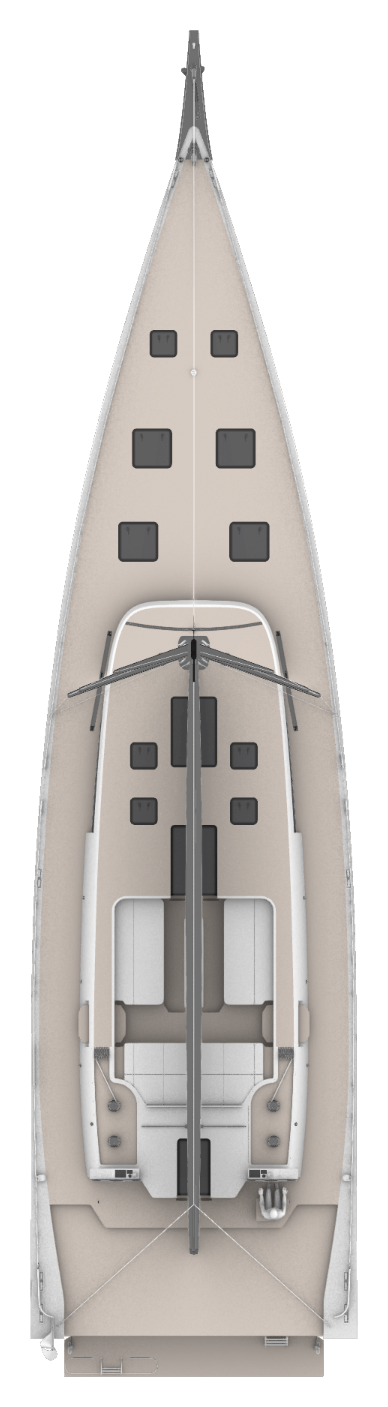
![Deck Plan [Exterior design by Ana Djordjevic]](/__l5e/assets-v1/3b6dca04-9224-408d-9ca0-5c22d8215385/amalia-model-4-trim.png)

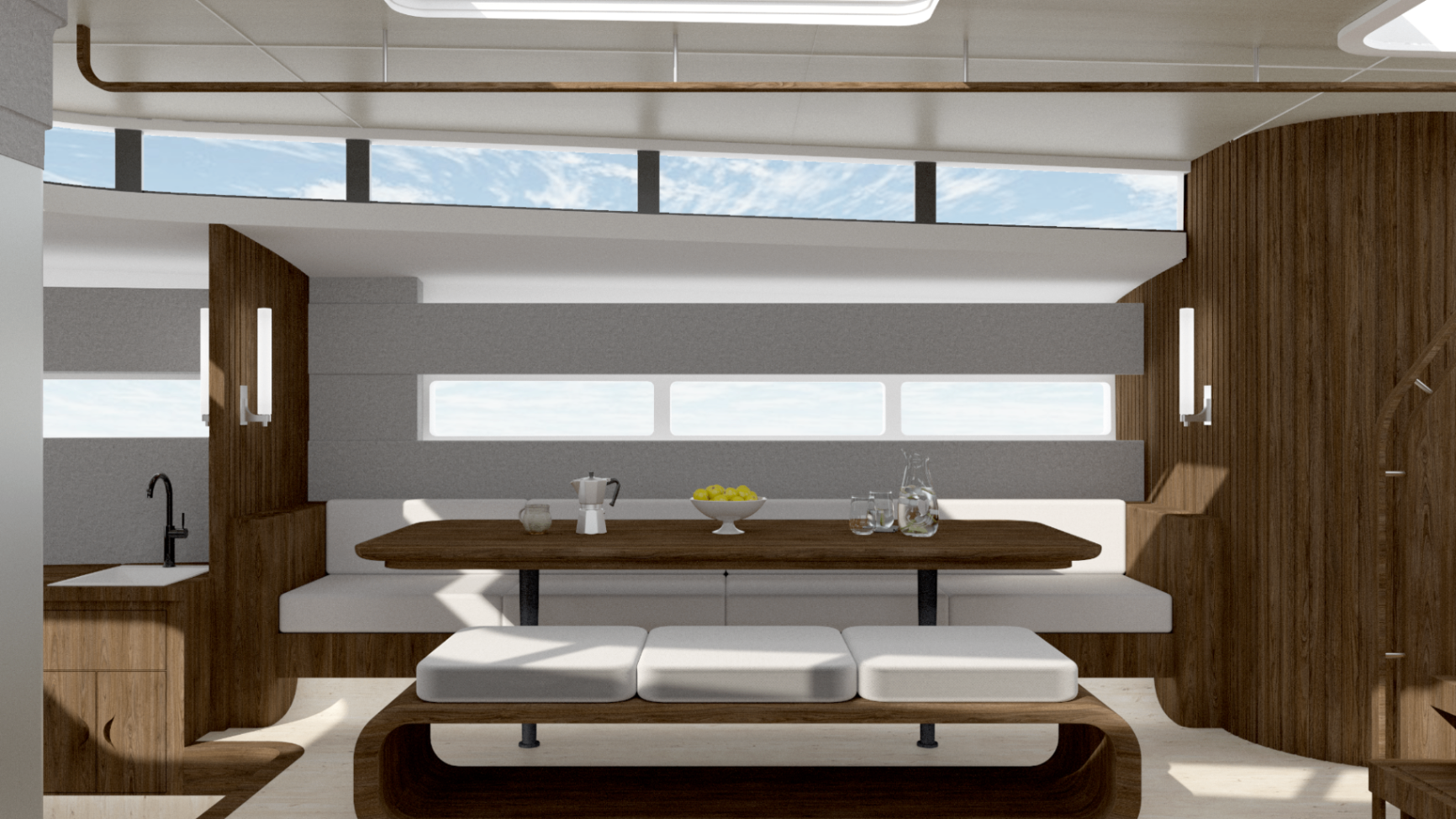
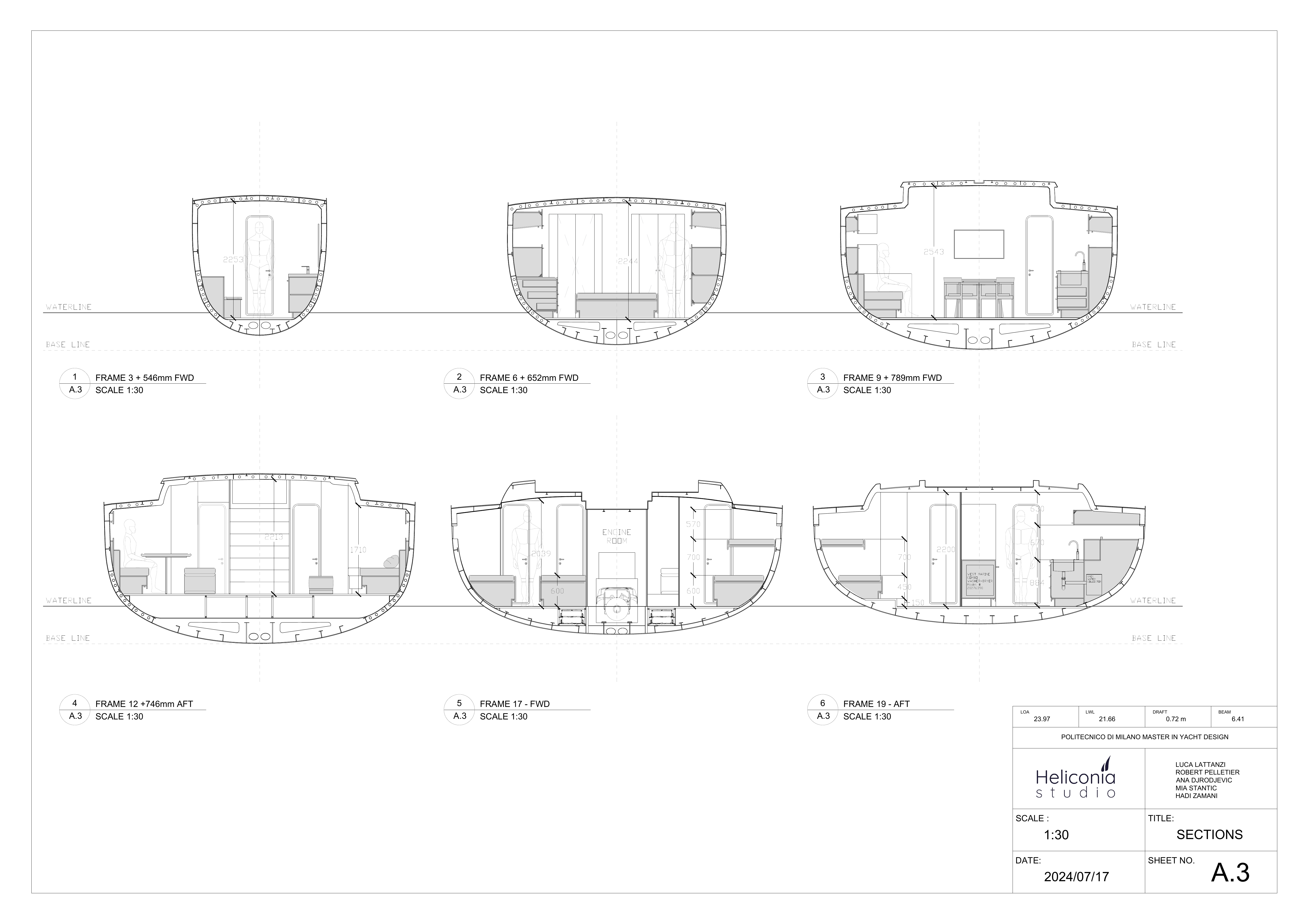
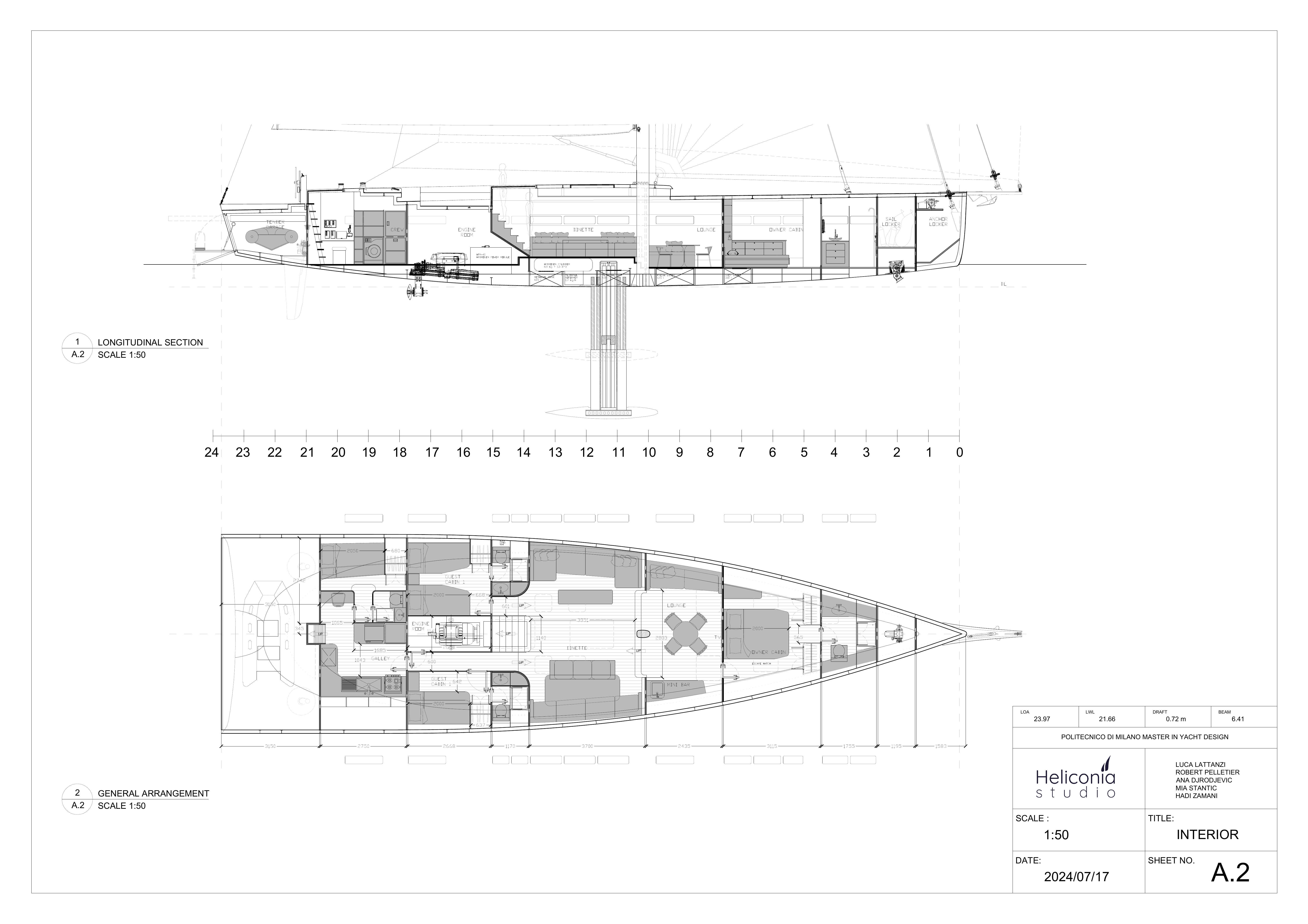
Amalia's interior layout has been meticulously crafted to offer the experience of a 100-foot yacht within an 80-foot length. The interior arrangement prioritises a remarkably large communal area, including a dual-saloon configuration, providing connected zones of social interation and relaxation. This decision was a calculated sacrifice; instead of fitting in a cramped twin-bunk cabin and an unnecessary extra head as is customary in vessels of this type and size, we opted to open up the interior space entirely, forgoing extra sleeping space to allow for an open shared space that is exceptional for this class of vessel. The result is a flexible, comfortable interior arrangement capable of hosting up to 8 guests and 2 crew. Programmatically, the vessel allots space for crew accomodation and equipment to the aft of the vessel, separated from guest spaces by a generous galley.


This balance between tradition and cutting-edge technology defines the core philosophy behind the yacht’s design. A key feature of the design is lowered embodied carbon through the strategic use of regionally sourced recycled/recyclable materials, such as its aluminum structure (AL5083) and interior finishes. This project was awarded first prize at the MUVE Academy 2025 (Venice Yacht Show) for the sustainability category.
Completed as the thesis project for the Specialized Master in Yacht Design at the Politecnico di Milano, Amalia is a 24-metre blue-water sailing yacht designed as a model for how the yacht design industry can move forward in reducing emissions while retaining a historically-informed aesthetic approach.